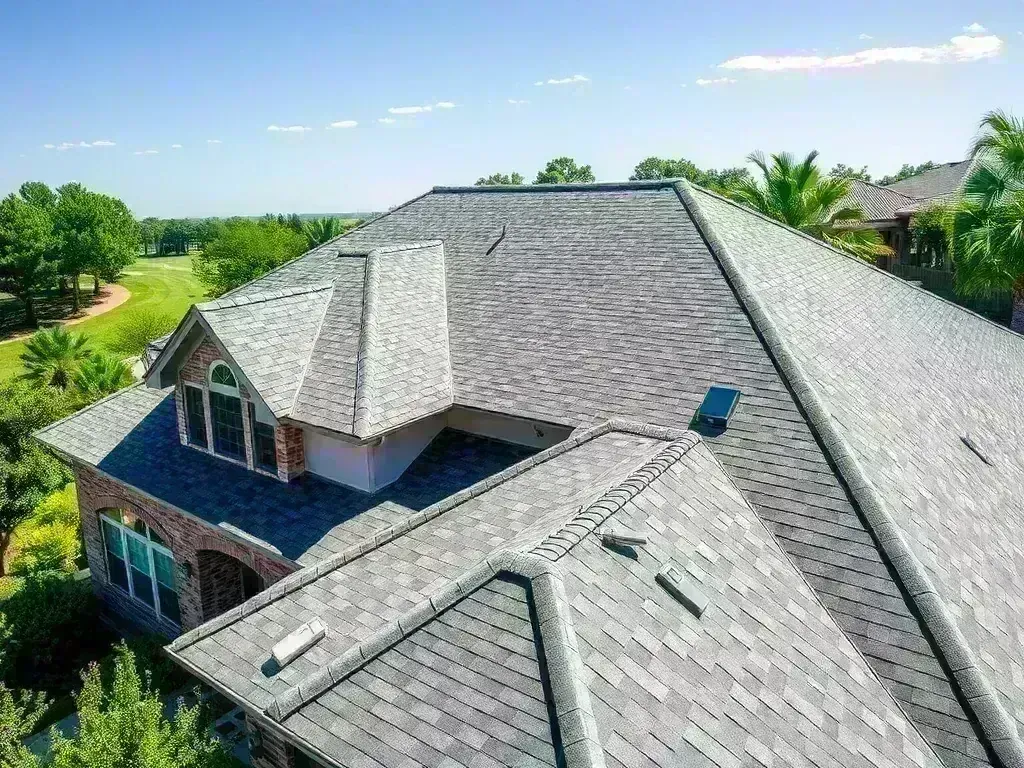
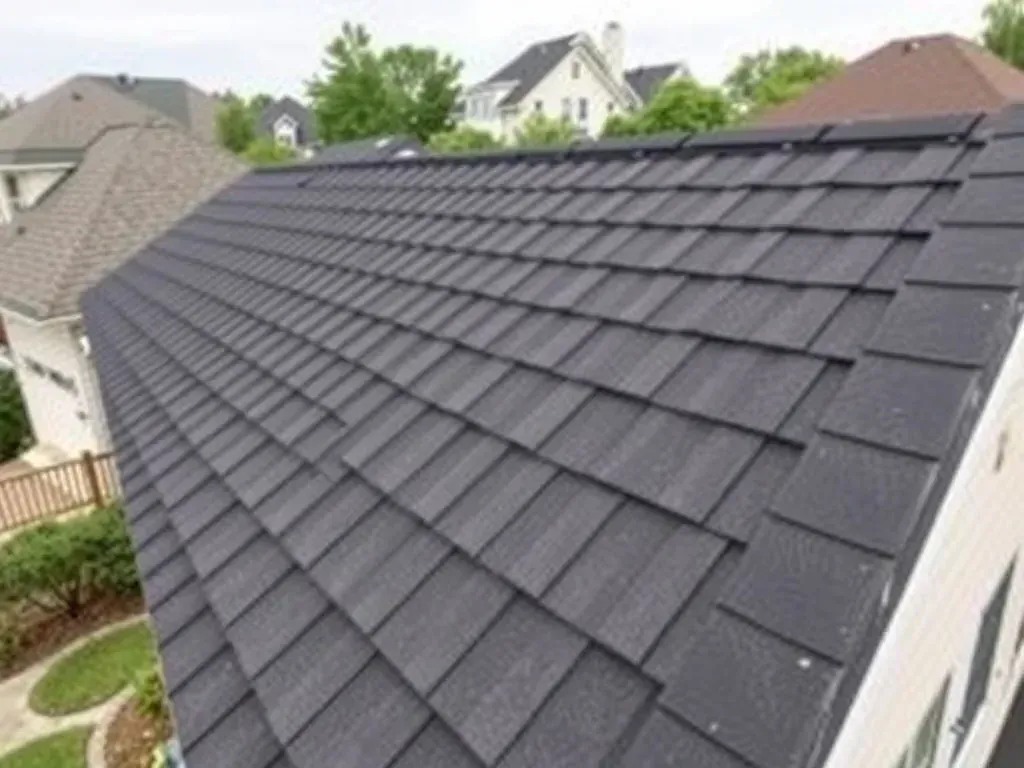
A roof inspection starts at the roofline and works down through every layer that keeps water out. We look at shingle condition, underlayment, flashing, and the decking below, then scan the attic for staining and soft sheathing.
We fly drone imagery over steep pitches, run an infrared scan to find wet insulation, and confirm anything suspicious with a moisture meter. All of it lands in a written report with photos, so you can hand the file to an insurer, an adjuster, or a buyer.
Salt air from the Atlantic Ocean corrodes fasteners and flashing on waterfront homes, and thunderstorms drive rain sideways under lifted shingles. Catching granule loss, a cracked pipe boot, or a failing ridge vent early is what keeps a small fix from turning into a replacement.
Colonial and ranch homes from the 1950s-1970s usually have three-tab shingle near end-of-life, Victorian-era homes near the waterfront hide problems behind dormers and step flashing, and newer suburban developments built in the 2000s mostly need vent boots and counter-flashing checked. The report tells you which one you own.