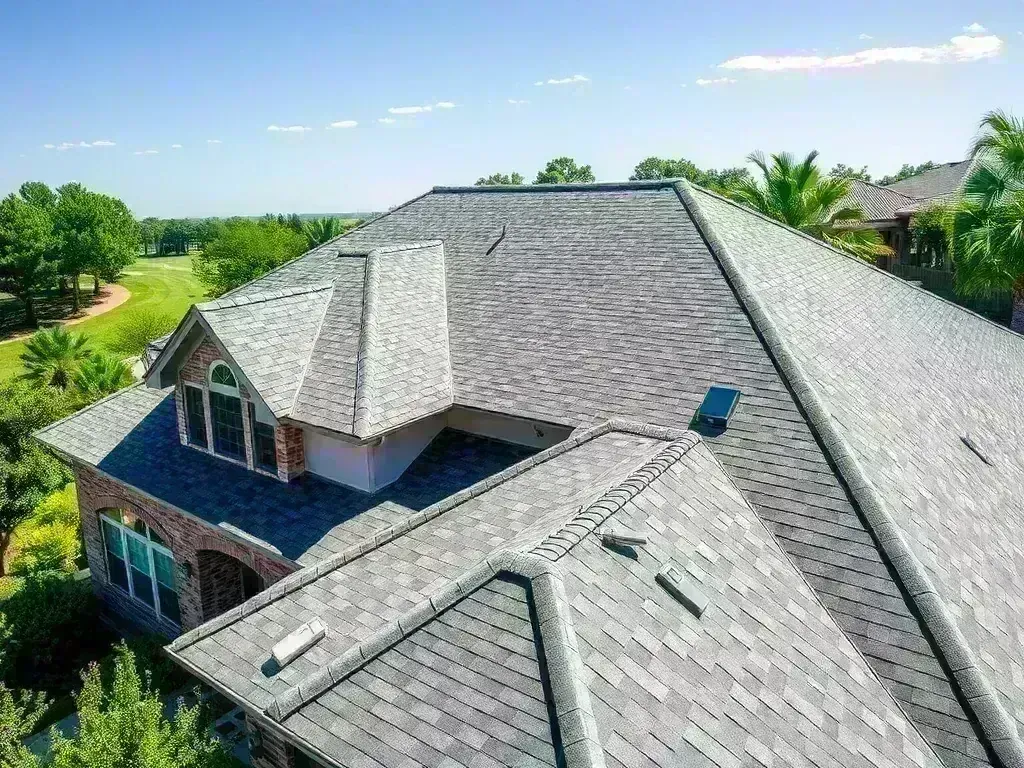
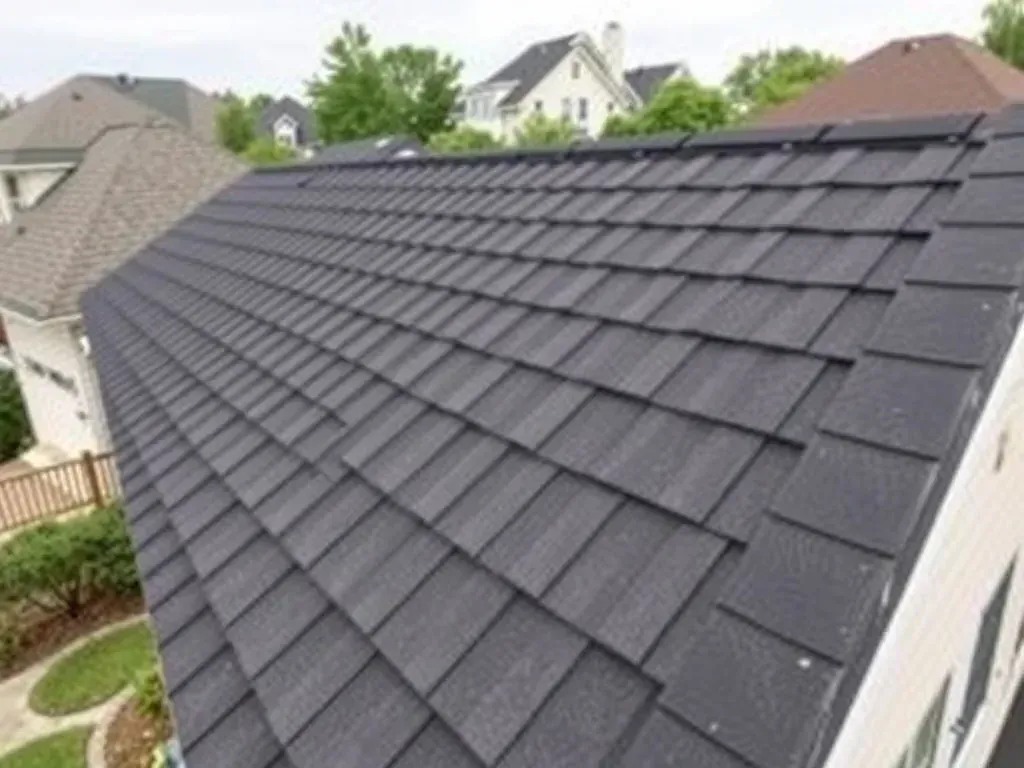
Roof repair means locating the water's real entry point, then rebuilding that section of the roof system instead of hiding the damage behind fresh shingles.
We start with a roof inspection: the shingle field, every flashing detail, and the plywood sheathing underneath. A leaky ceiling upstairs usually starts twenty feet away, at a cracked pipe boot or a vent boot that split open.
Dried caulk, failed sealant, and counterflashing that has pulled off the chimney cause most of the leaks we fix. Step flashing where a roof meets a sidewall and drip edge along the rake deserve the same attention.
Hail or a dropped branch can puncture a shingle, and a tear in the felt lets water wick into the deck. We check the apron flashing at the eave, the verge edges, and the boot flashing around every stack.
Once we know the cause, we match materials to humid summers with frequent thunderstorms, Nor'easter storms with heavy rain and wind, and salt air from the Atlantic Ocean. Architectural shingle over synthetic underlayment and ice-and-water shield handles all three.
GAF, Owens Corning, and CertainTeed all make rated asphalt shingles, and we quote line-item cost before anything comes off the roof. Three-tab shingle, wood shake, cedar shake, slate, clay tile, and concrete tile get repaired with matching stock.
Flat and low-slope sections are a different animal. TPO, EPDM, PVC membrane, built-up roof, and modified bitumen each fail differently, and running a torch on the wrong substrate makes a small problem much worse.
Metal panel, standing-seam panel, and corrugated panel we reseal at fastener points, because screws back out and the washer under each one perishes. Old tar and bitumen patches get scraped down to bare decking first.
Rotted felt, roofing felt, tar paper, and worn synthetic underlayment come off with a roofing shovel and a pry bar. We replace damaged sheathing, then fasten new decking with ring-shank nails instead of overdriven staples.
Ice dam damage around the eave, soffit, and fascia shows up after a hard freeze, and that is one of the few calls we treat as an emergency. A sagging roofline or a settled ridge beam means water has been wicking for a while.
Blistered, curled, and cracked shingles with heavy granule loss point the same direction: end-of-life wear or trapped attic heat. A rooftop full of buckled, split, and torn shingles is telling you the field course is finished.
Ventilation decides how long the deck lasts. Ridge vent and soffit vent work as a pair, and an attic fan helps when a hip or gable roof has short rafter runs and thin insulation overhead.
New pipe flashing, a fresh ridge cap, and a bead of roof cement at each valley keep a patch weatherproof. We caulk and seal every counterflashing seam, then run a hose test before the dumpster leaves.
Skylight, dormer, and chimney details leak more often than the roof's field, so we refit those penetrations with new flashing and mastic during the same visit. A parapet wall or a clogged scupper gets cleared and repaired the same day.
Commercial assemblies behind a parapet rely on coping and a clear drain path, while metal buildings use purlin and batten runs with counterbatten strapping that loosens in wind.
Repairing a roof is really waterproofing a system: drip edge, underlayment, flashing, and the shingle course above each have to shed water in order. New Jersey building code sets the minimum laps and fastening we follow.
We are licensed and insured, we clip a safety harness on every pitch, and we do not send a roofer onto your roof just to sell a full replacement. Sometimes a gutter, downspout, or loose overhang is the whole problem.
Our crew works off a ladder or scaffold, with a roofing square for layout, a nail gun on the air compressor, and a magnet sweep for nails left in the grass. Debris leaves in one dumpster.
Cost depends on access, pitch, and how much decking has decayed. A steep Victorian roofline takes longer because scaffold setup eats the first hour, while a simple patch on a ranch home is often a half-day job.
Asphalt roof replacement, metal roofing, or a reflective coating all have a place, but a targeted mend keeps your existing deck in service at a fraction of a tear-off. Our roof estimate is free, written, and line-itemed.
We install a snow guard where a steep mansard or gambrel sheds onto a walkway, and we re-anchor a loose awning or canopy so runoff misses your side door. A vapor barrier and fresh insulation at the attic floor finish the job.